Bente van Vlijmen
CEO
Sourced from wild North Atlantic cod, made in Denmark
A marine collagen ingredient for supplement and food brands, made from the skeleton of wild-caught North Atlantic cod. One source of Type I and Type II collagen.
The difference
Fish skin and scales
Type I
The standard marine collagen.
Fish skeleton: backbone, frames, cartilage
Type I + II
plus calcium and phosphorus
Our collagen.
~15%
Of a cod's weight is backbone, a sidestream that today is mostly discarded or sold as fishmeal.
~10×
Less fat in cod than in salmon skin (23 vs 230 g/kg). Less to oxidise, the basis for a neutral powder.
0
Bovine or porcine material. Wild-caught and pescatarian, with halal and kosher certification planned.
Where we are
We're at lab stage. Process development runs in Denmark through 2026, and a few formulation partners are shaping the spec with us. Pilot trials and the first partner samples are planned for mid 2027.
Latest updates →From our lab
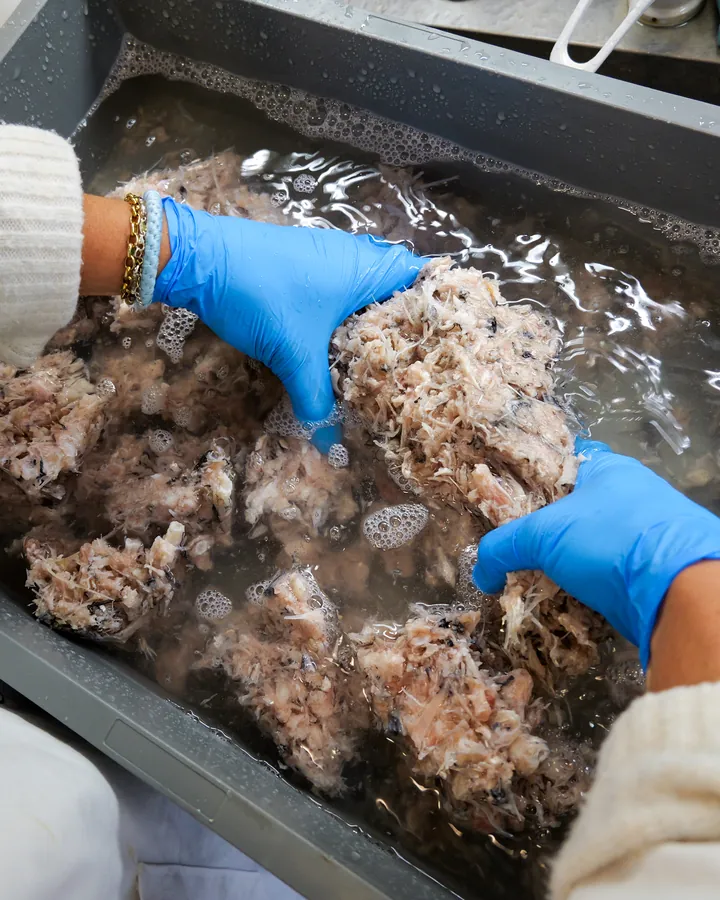
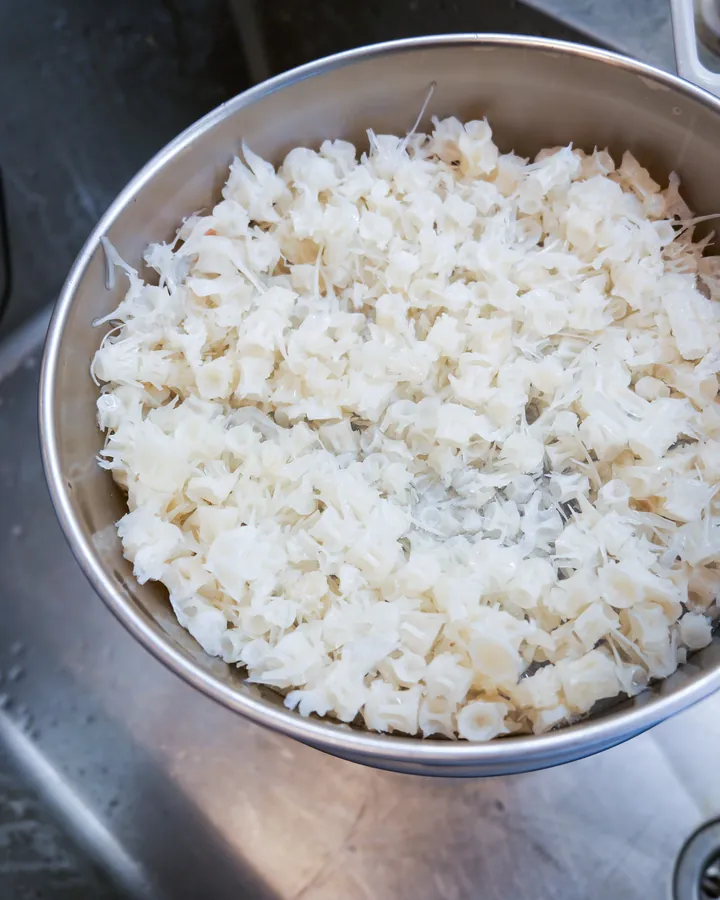
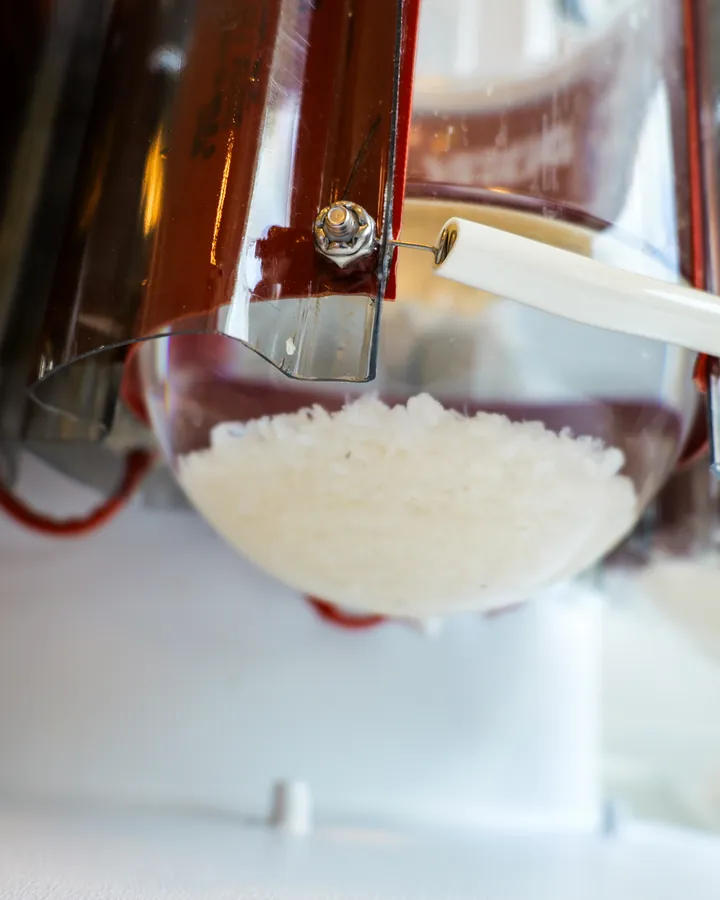
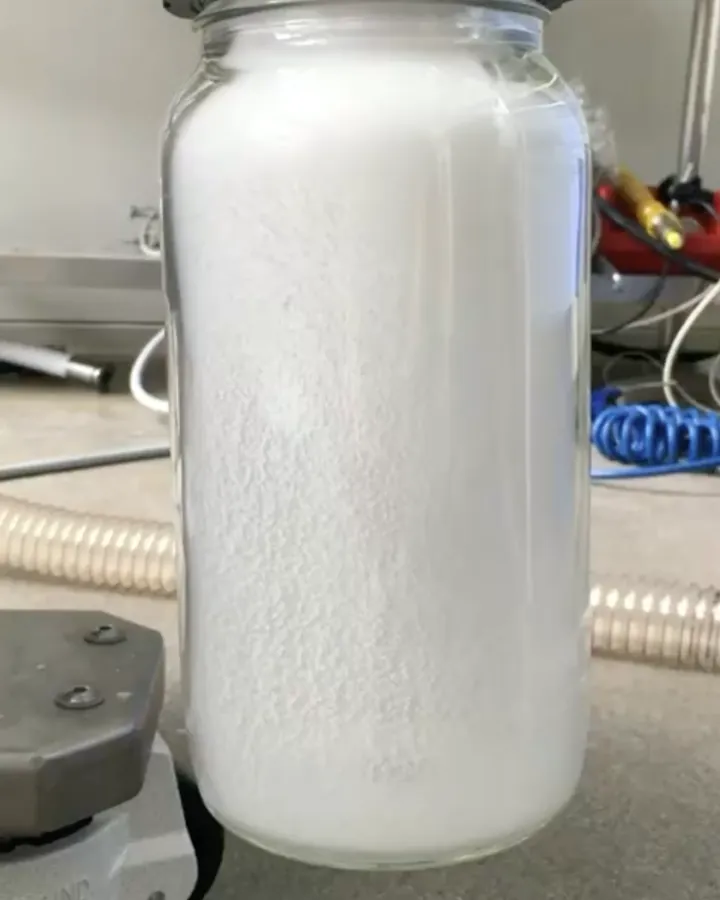
We mince cod backbones and clean them. Then we dissolve the bone mineral, cut the collagen into short peptides with enzymes and purify it. Spray drying turns it into a fine white powder.
Mineral co-delivery
Dissolving the bone mineral frees the collagen. We purify that mineral as its own fraction, rich in calcium and phosphorus, instead of discarding it. Like the peptides, it is in development.
The collagen fraction on its own, for formulators who want full control.
Purified calcium and phosphorus from the same bone, as a separate ingredient.
Peptides and mineral together: one source, one supplier, one spec.
Our co-development thesis
Most collagen supplements are Type I. Type II is the main structural collagen of cartilage, and today almost all of it comes from chicken or cattle. A fish source makes Type II available to pescatarian, halal and kosher ranges.
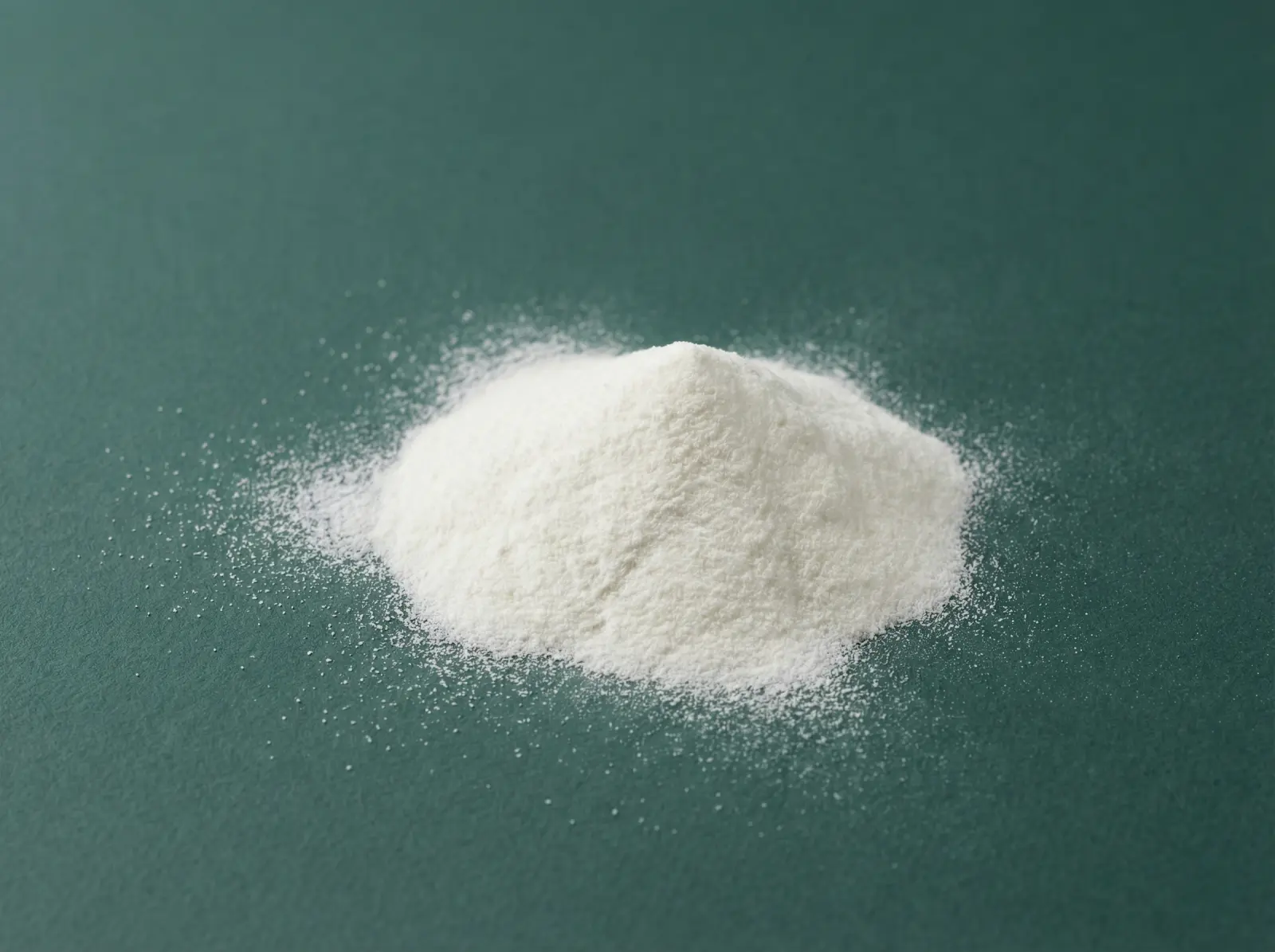
From the same skeleton we are developing two formats: a native (undenatured) Type II powder and hydrolysed collagen peptides. We work with partners on formulation and on a claims route that holds up in the EU and UK.
Our thesis: marine Type II can stand in for chicken Type II in pescatarian joint-health ranges. We want to test that with one or two partners, in their formulas.
What marine Type II is →In development
More than an ingredient. Build it with us.
Bulk powders, sachets and ready-to-mix sticks for shakes and functional drinks.
Hard-shell capsules, a natural fit for low-dose native Type II.
Compressed tablets for joint-health and everyday nutrition ranges.
Chewable formats; heat and gel behaviour are tested together with partners.
Clear-dissolving peptides as the target for ready-to-drink and shot formats.
Circular economy
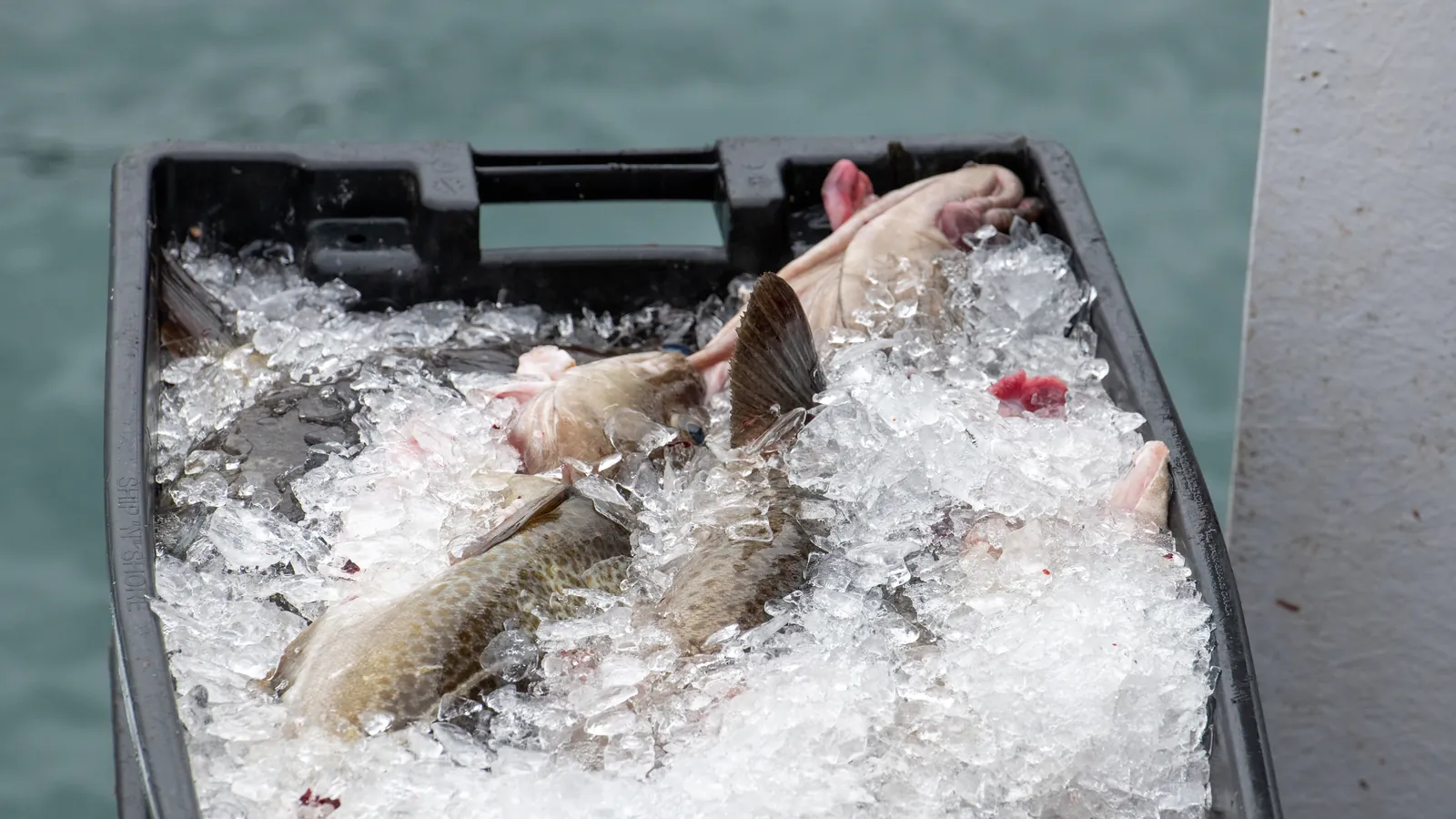
Every batch starts with cod skeleton left over from filleting, a sidestream that today is mostly discarded or sold as low-value fishmeal. We turn it into a high-value ingredient, with a trace from catch area to batch.
Cod skeleton left over from filleting
Wild cod from the Northwest Atlantic
Traced from catch area to batch
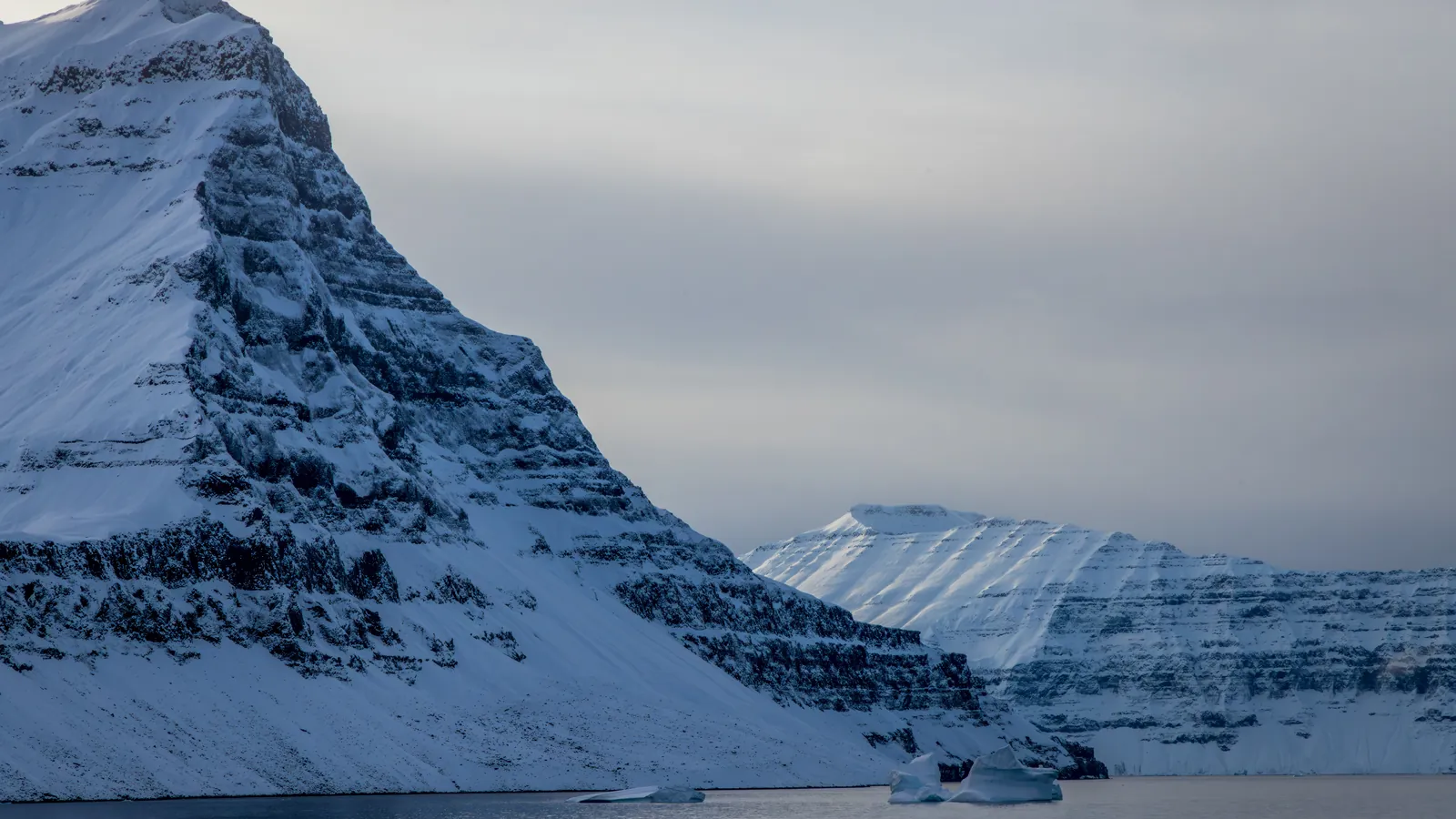
Landed in Greenland, processed in Denmark
Partner with us
We're selecting a small number of formulation partners. If you formulate or brand in joint health, sports nutrition, functional nutrition or healthy ageing, we'd like to talk.
About us
Almost all marine collagen is made from fish skin, and is mostly Type I. We started at DTU Skylab with a different question: what's the highest-value ingredient we can make from an under-used marine sidestream?
Our answer: a high-purity collagen from cod skeleton, the backbones and frames left over from filleting. Rare for a marine source, it carries Type I alongside naturally occurring Type II. We're in active development now, defining the spec with formulation partners.